


Our client testimonials












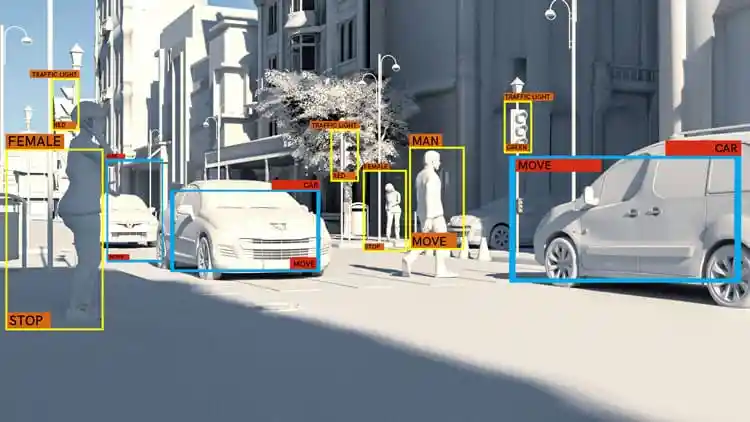
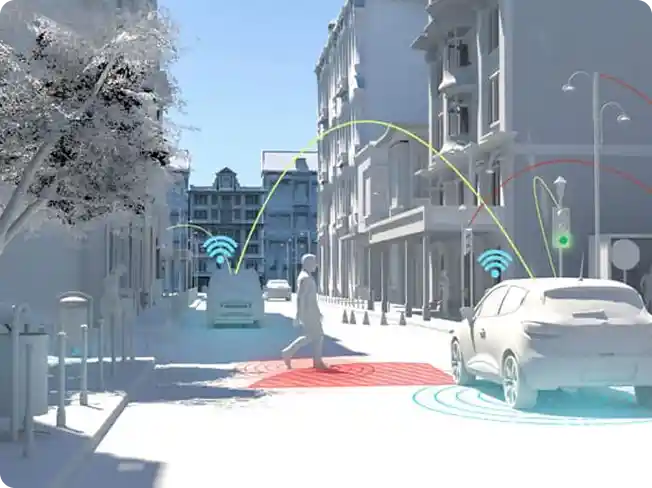
Vehicles in urban areas

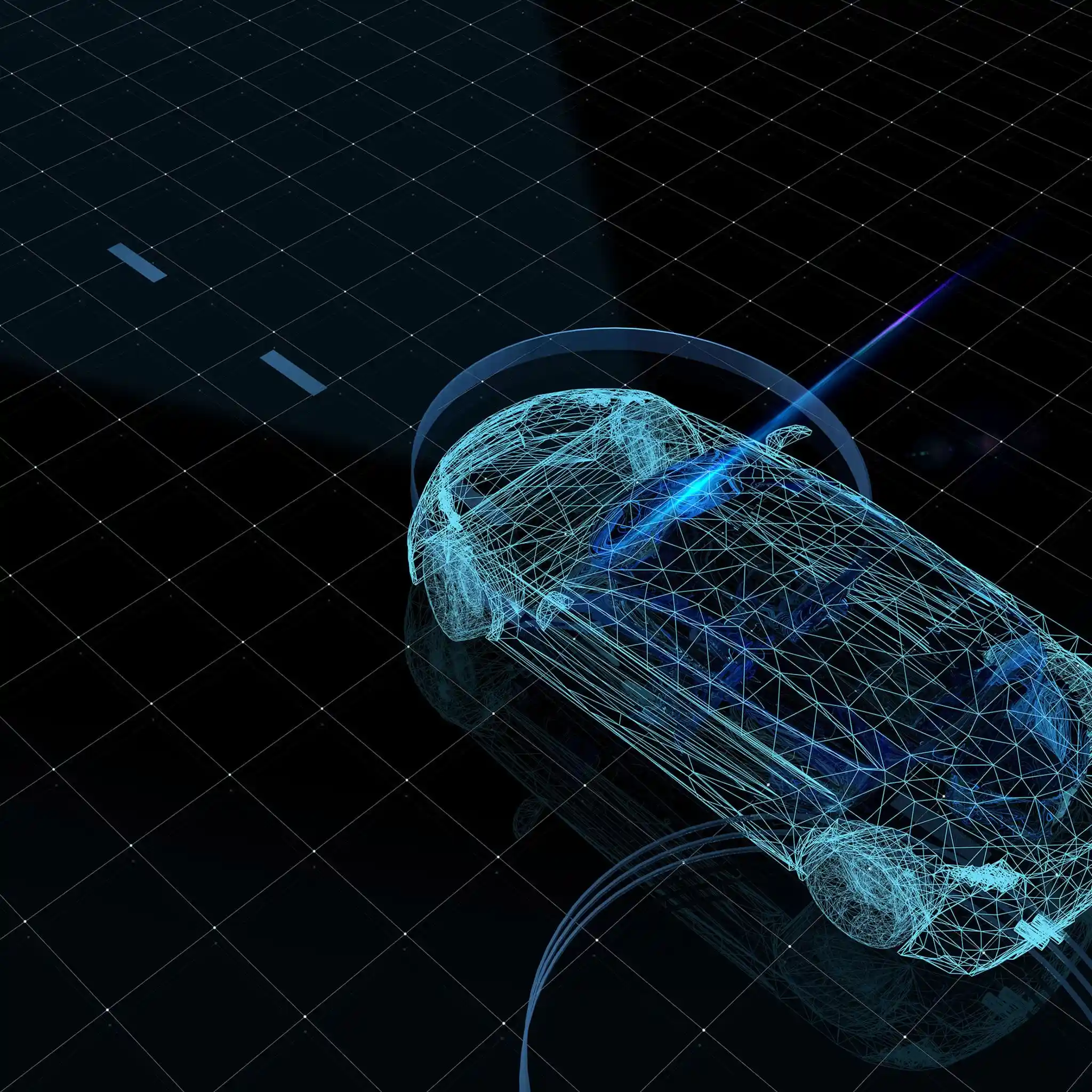
The advent of automated driving in the vehicles we use every day presents both a massive technological challenge and an unparalleled opportunity to increase the value of these “machines” in our modern cities.
The possibilities are endless: reducing the number of accidents, improving traffic flow and minimizing its environmental impact, using cars as a service (CaaS) for autonomous delivery missions, and more.
Our products are developed and organized in a coherent manner to enable testing of the various applications used in this context: perception, control, and V2X communication.
OPAL-RT 4Drive also supports you in creating georeferenced virtual 3D environments based on scans and surveys of real-world sites. This type of resource allows you to easily conduct tests in a highly realistic environment, ensuring the success of your real-world deployments.
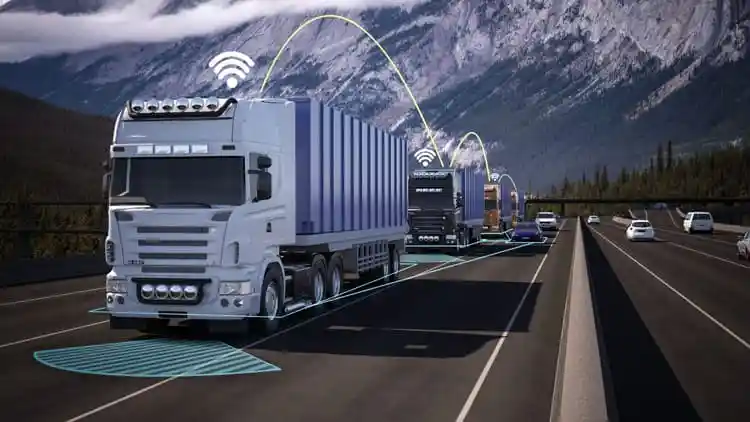
Convoy of vehicles on the highway

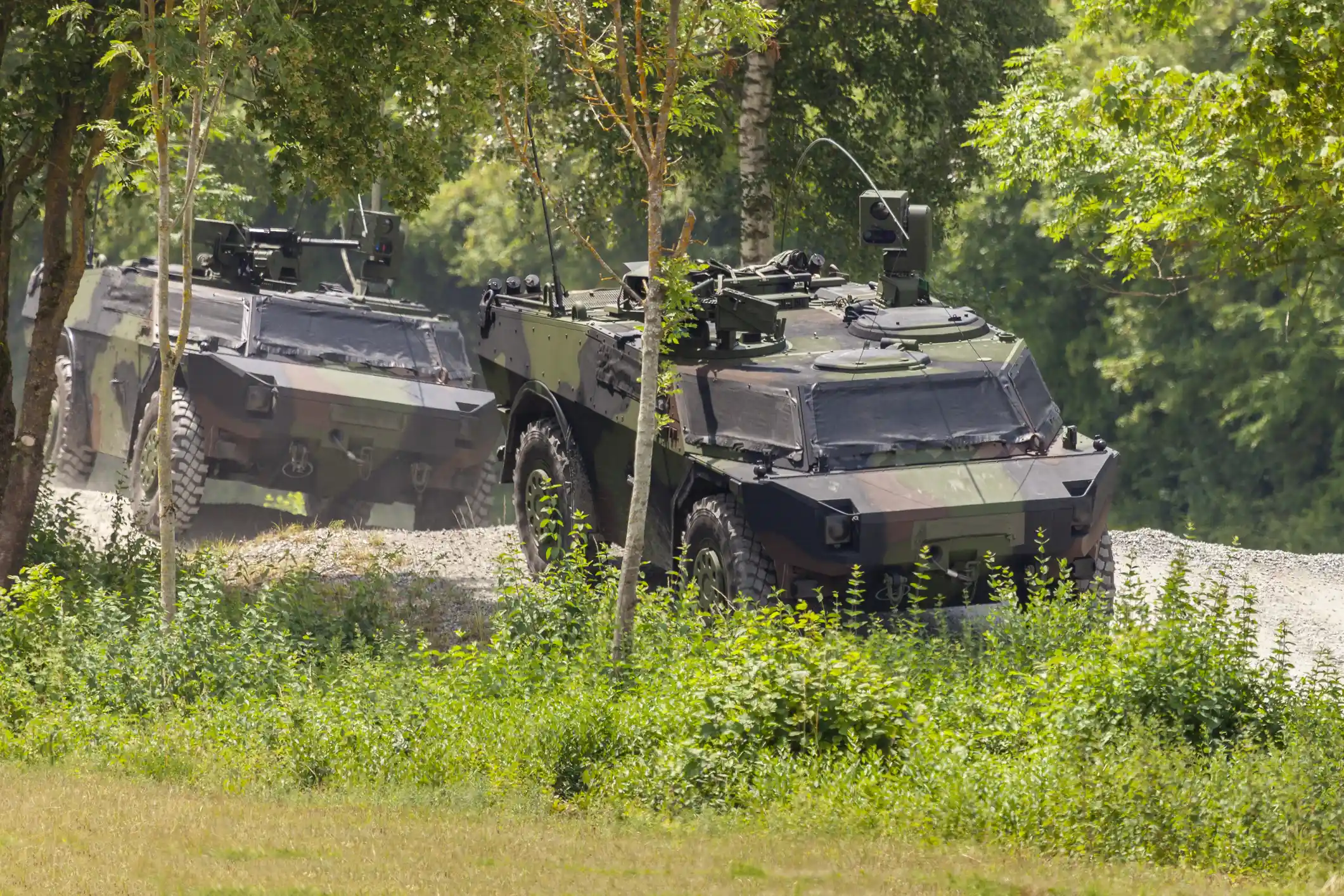
The integration of autonomous vehicles on highways for the transport of passengers or goods creates a highly favorable environment for improving the lives of users and reducing the risks associated with these trips.
Whether for organizing and managing convoy configurations or for the near-instantaneous sharing of V2X information (traffic conditions, hazards, etc.), our products provide you with an open platform that can be easily integrated into your testing and simulation workflow.
To help you define the sensor architecture required for perception and communication, our software platform also provides a library of sensors that are emulated to match real-world sensors, enabling you to create accurate digital twins.
Prevention of Traffic Accidents
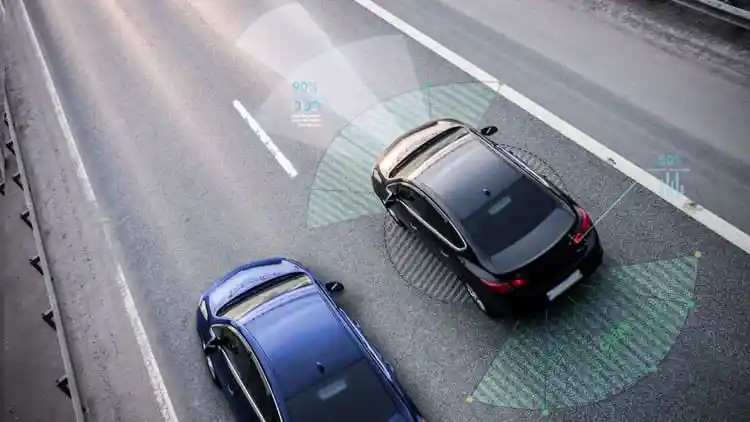
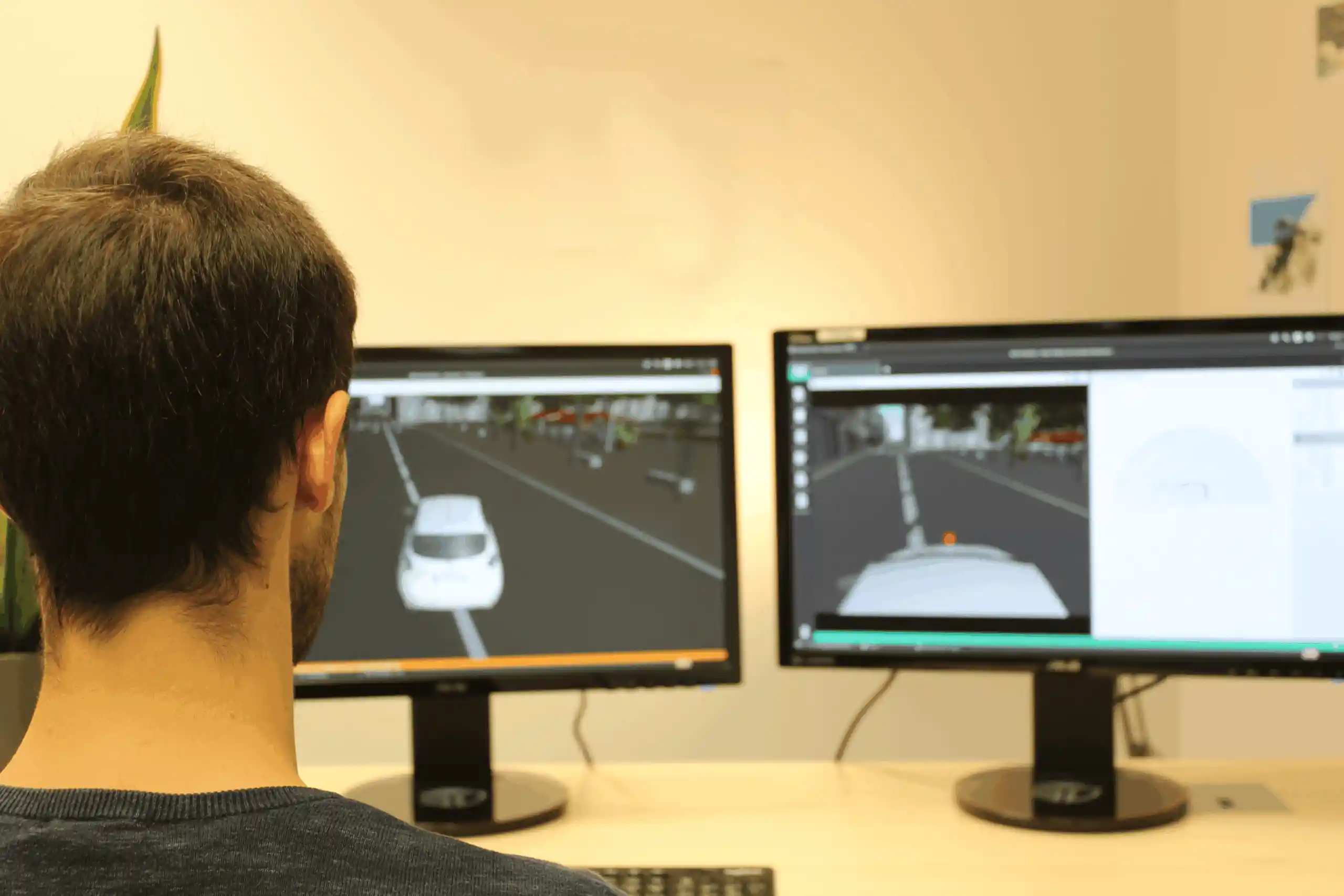
Accident prevention is central to the development of any autonomous or driver-assisted vehicle. Whether related to an external obstacle or the system’s own behavior, risks must be anticipated and validated before any deployment.
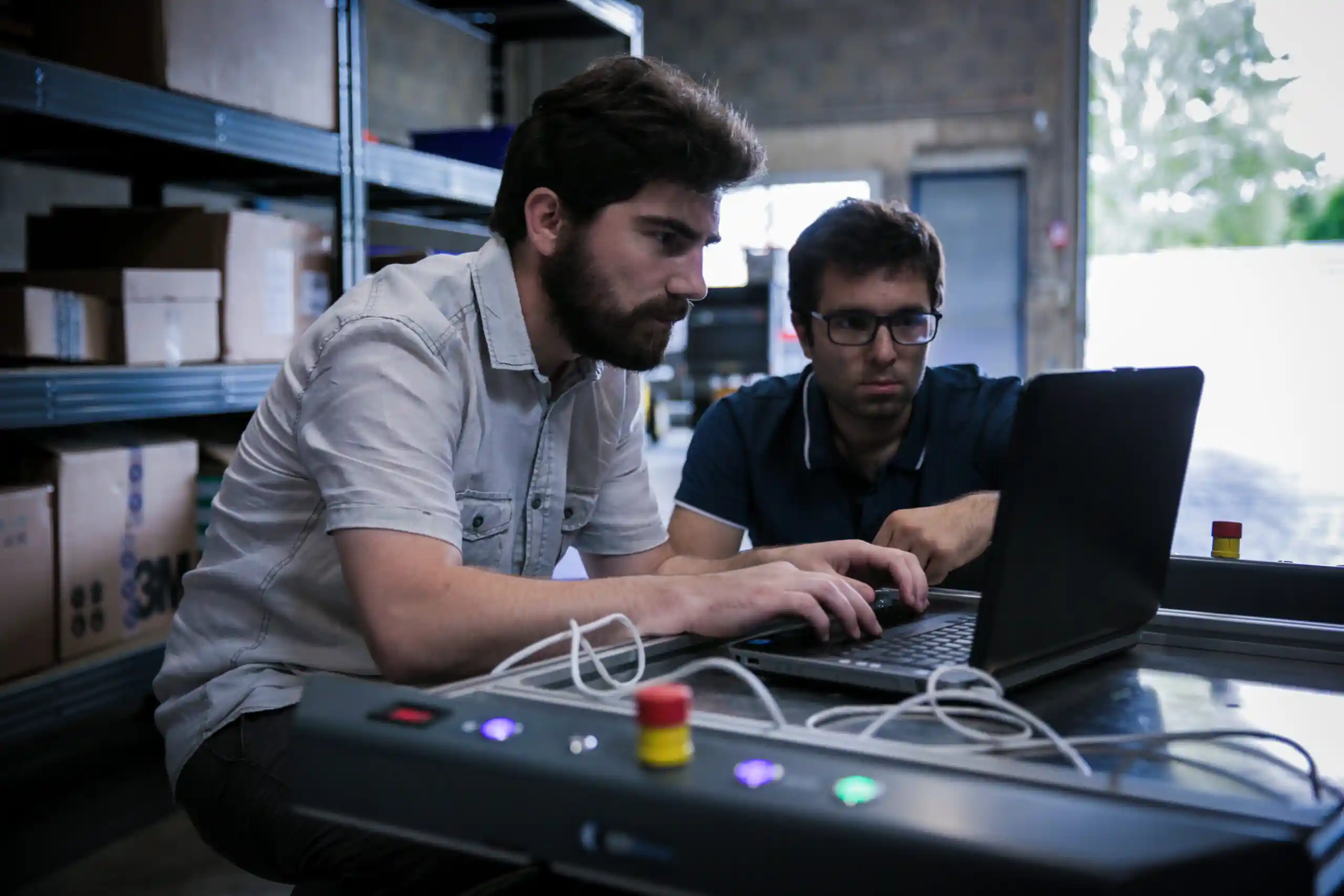
Our solutions cover the entire development cycle: defining test scenarios, simulating perception and control algorithms, visualizing sensor data in real time, and generating simulation runs to validate behavior under a wide variety of conditions.
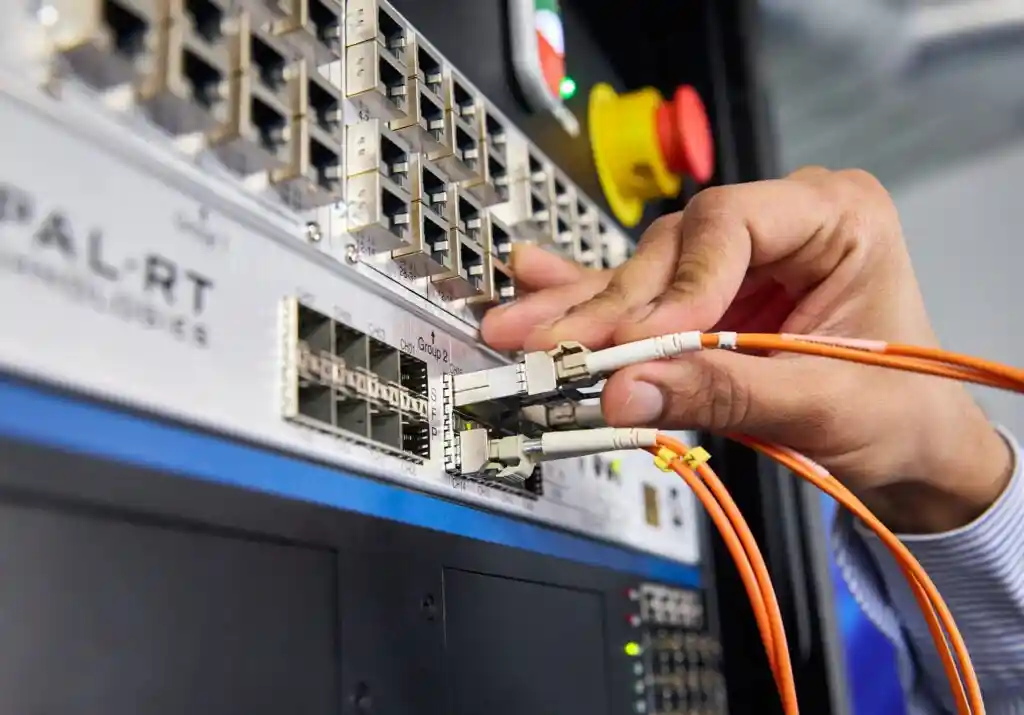
XIL capabilities—including HIL (Hardware-in-the-Loop) testing—complement this framework by evaluating software and hardware performance in a controlled environment, thereby accelerating pre-deployment validation.