

Our client testimonials










Reconnaissance & Surveillance
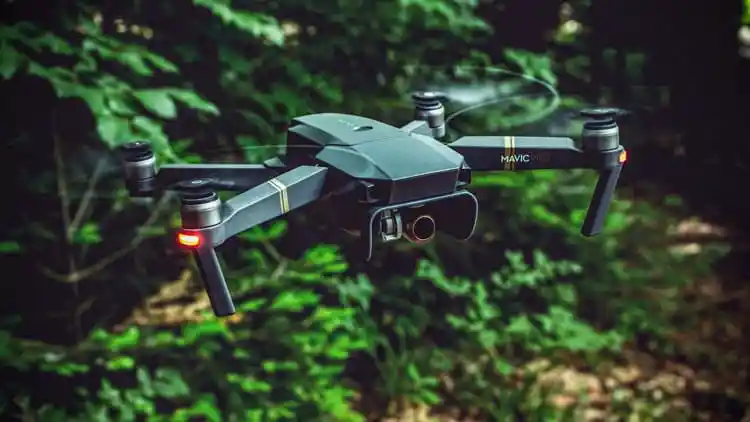
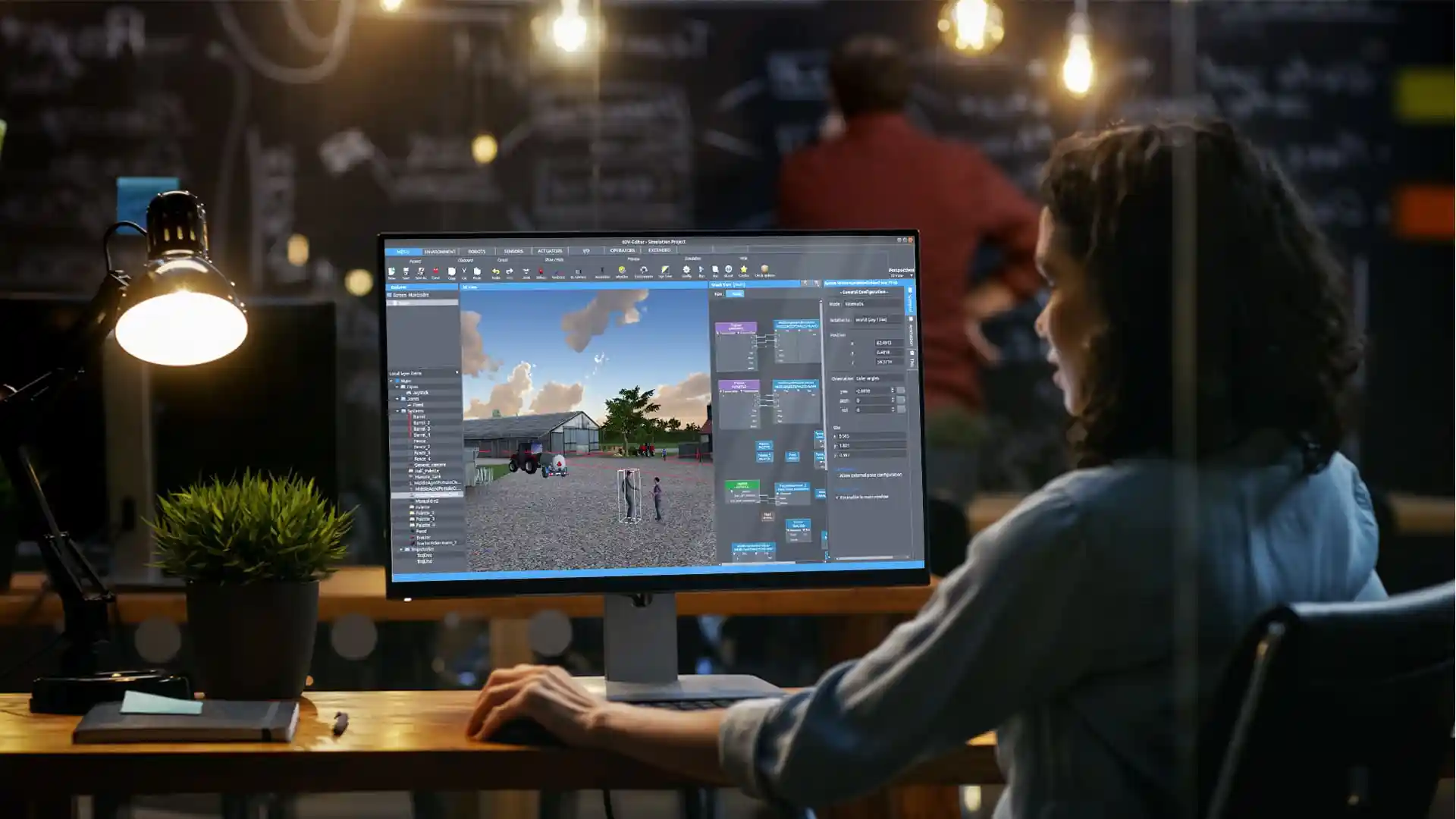
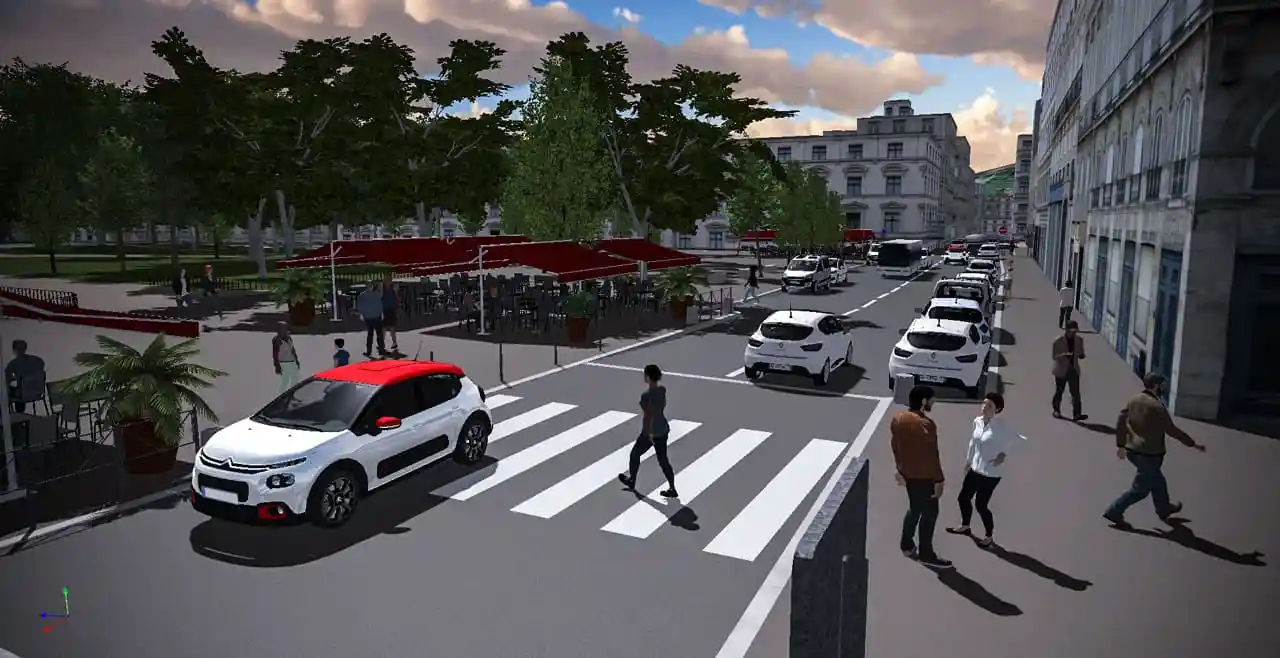
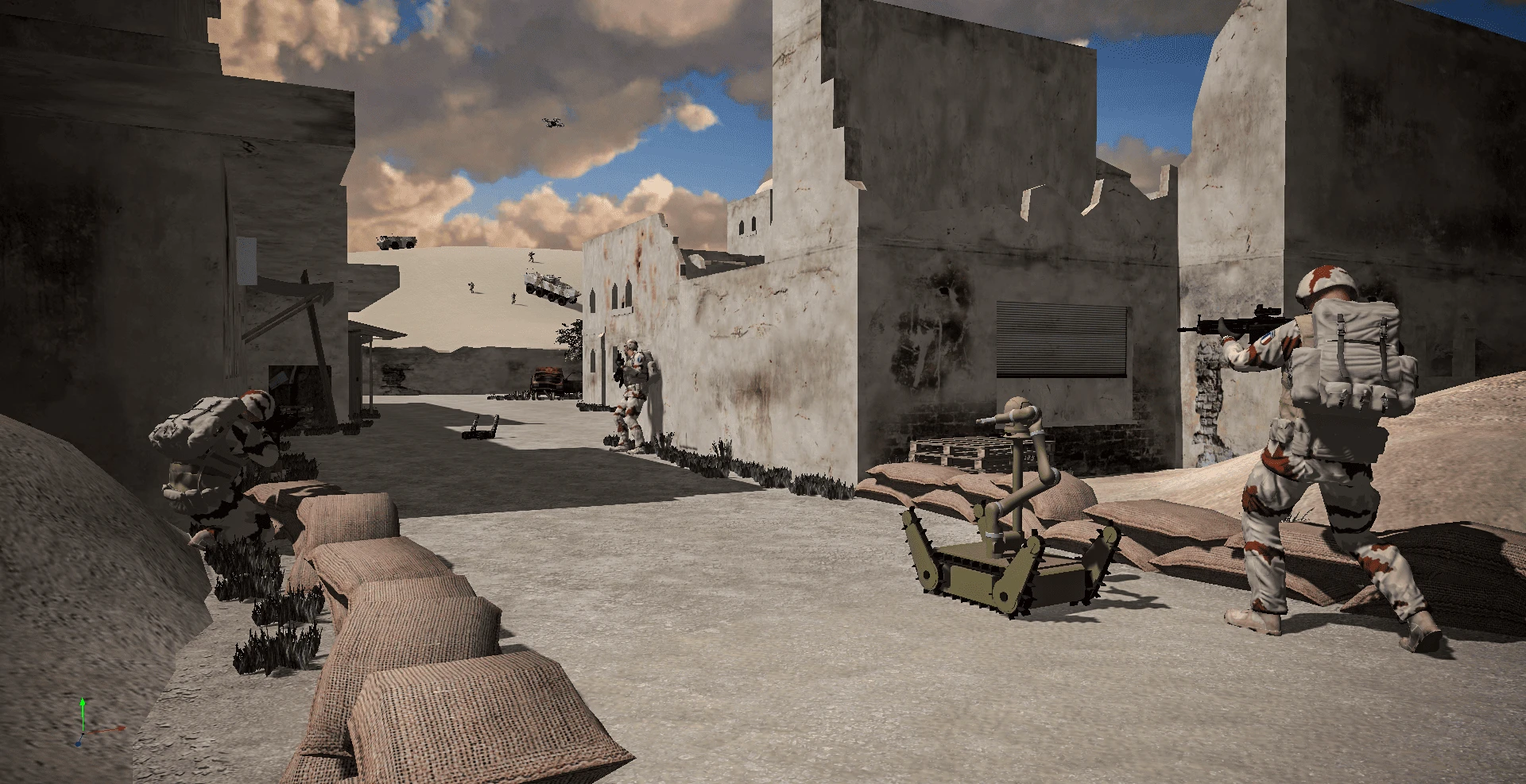
To help you develop your robotic applications in the fields of recognition and surveillance, our simulation solutions enable you to model complex and uncertain indoor and outdoor environments that can incorporate various elements, such as vehicles and pedestrians.
The range of features and applications is extensive. You can test your strategies for obstacle avoidance, positive and negative navigation, and 2D and 3D multi-sensor SLAM localization, as well as the analysis and processing of data from multiple sources.
Our simulation solutions make it very easy to incorporate controllable pedestrians into your simulations. They allow you to test your instrumented drones and subject them to wind disturbances.
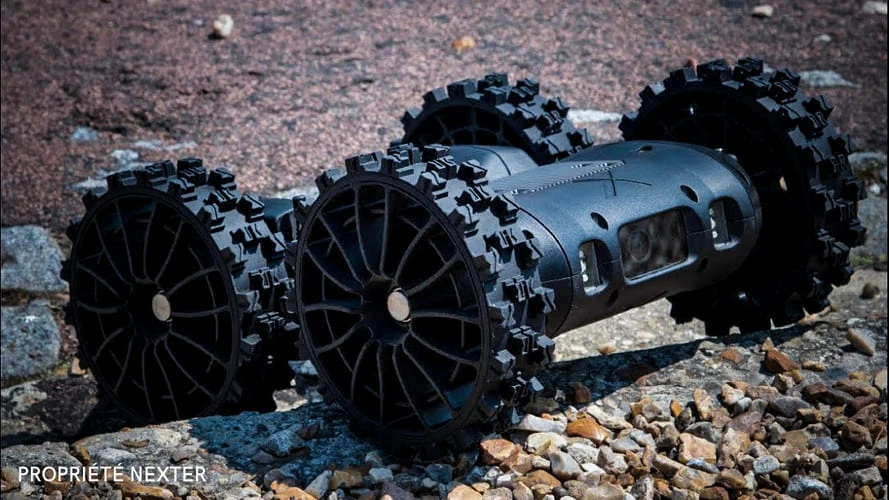
Tactical response robots
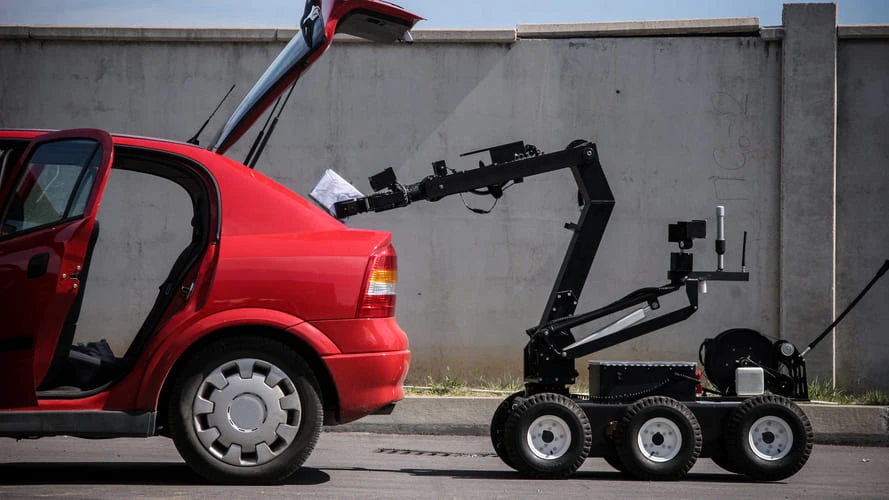
As complex systems, intervention robots must be capable of providing significant technical value in a variety of challenging environments (such as staircases and slippery floors), whether for vehicle inspection, object handling, mine clearance, or other applications.
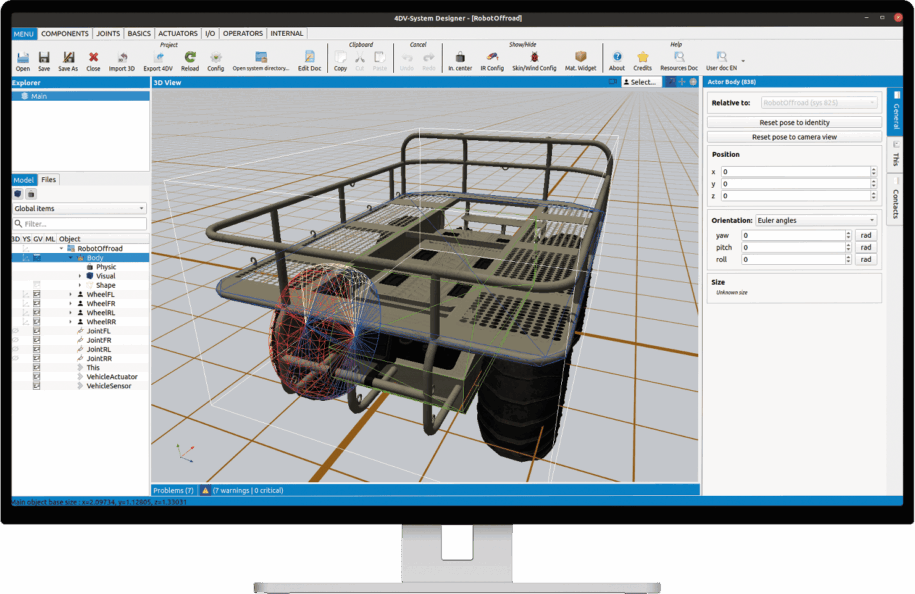
Our simulation solutions offer a comprehensive workflow for the development of these robotic systems, which are equipped with actuators (arms, grippers) in addition to their wheeled or tracked propulsion systems.
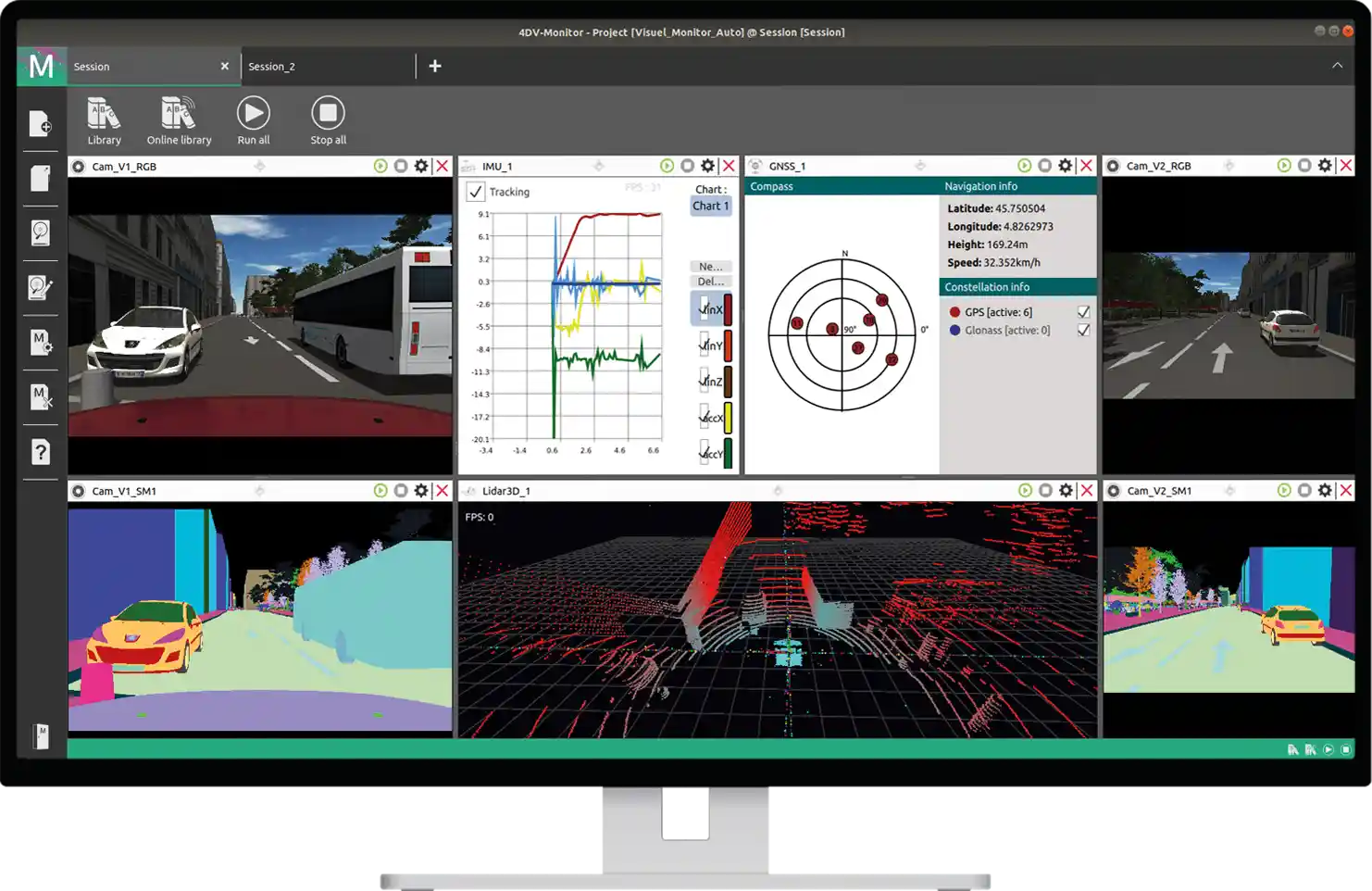
The sensor library available in our simulation solutions enables development teams to instrument their virtual robotic platforms to match their real-world counterparts, control them, and create highly accurate digital twins capable of perceiving their environments and disturbances.
Mule robot / Evacuation
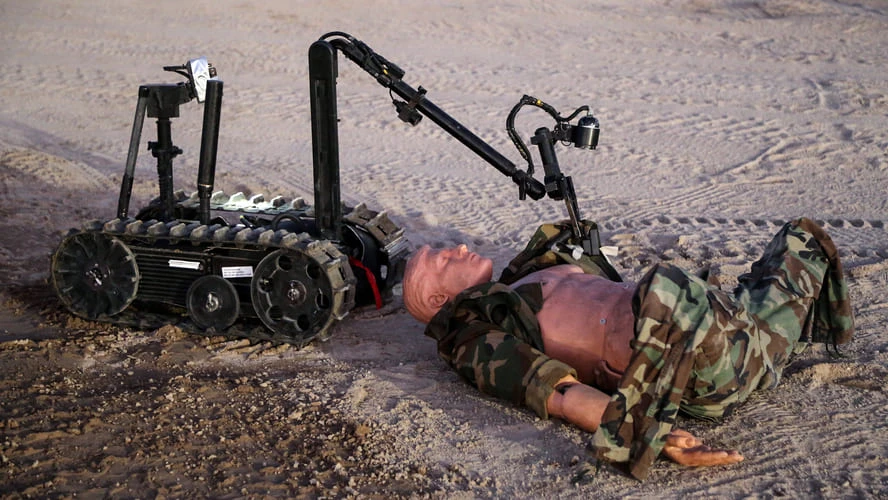
Used as logistics assets to transport supplies or evacuate the wounded, pack robots are capable of operating in any environment, to which they must adapt in order to identify navigable and passable areas.
Because these unmanned robots are much larger than reconnaissance and intervention robots, their deployment requires even more advanced perception and control systems to ensure human safety.
Our simulation solutions enable industrial companies and research laboratories to work in a secure environment.
Test and validate your perception and localization, behavior, ground contact management, and rollover systems before moving on to the development phase using actual hardware. This final step is accelerated and optimized, and the results of real-world testing are secured.
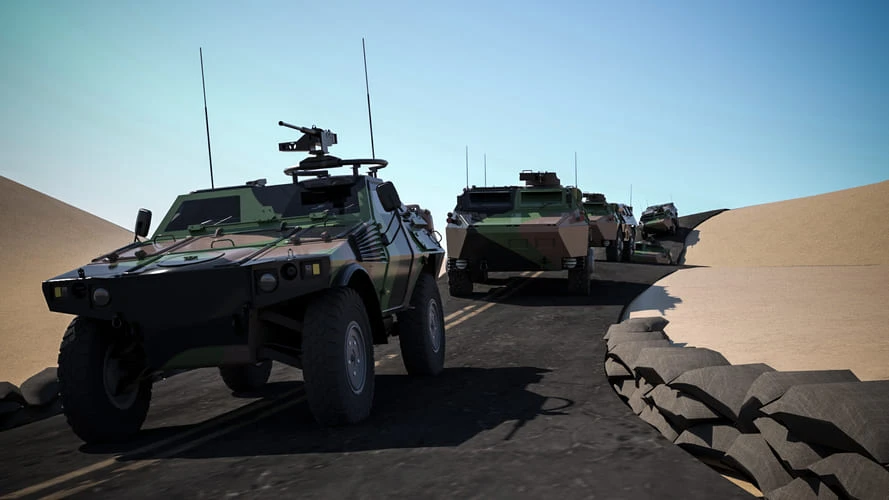
Convoy of vehicles
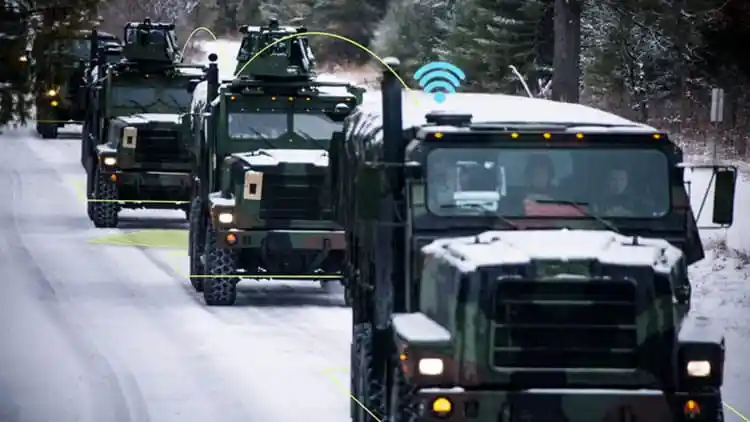
The use of mobile robotics technologies to optimize logistics for the armed forces opens the door to the creation of convoys of autonomous or semi-autonomous vehicles.
However, the adaptability of these systems to different types of equipment and convoy geometries must be taken into account across various usage scenarios: inserting a vehicle into a convoy, removing a vehicle, etc.
In this context, the use of real-world environments that are precisely georeferenced can enable teams to implement a specific development and testing process that combines real-world and virtual environments.
These tests ensure the effectiveness of the process for validating, through simulation, the sensor architectures, perception algorithms, and control algorithms that will govern these vehicles